herofull_zoologia

Zoological Collections

The zoological collections include the historical collections formed at the end of the 19th Century and the most recent ones formed thanks to the activity of illustrious zoologists who helped to expand the knowledge of the fauna of Brescia.

The specimens come primarily from purchases, exchanges, and donations, mostly of local origin and they are the result of studies and research conducted in the Brescia area. Thanks to the work of passionate naturalists, the collection has been enriched over the years with specimens from a wide range of regions around the world, including Asia Minor, Equatorial Africa, and South America.

The collection includes specimens belonging to most animal groups, both vertebrates and invertebrates.

far5

The Invertebrate Collections include more than one million specimens attributable to the main groups of Arthropods and Molluscs, with a large portion of the material originating from the territory of Brescia.

The best represented orders are centipedes (Chilopoda), millipedes (Diplopoda), butterflies and moths (Lepidoptera), dragonflies and damselflies (Odonata), and beetles (Coleoptera).

The latter, together with the Molluscs, are the result of collecting activities that, for over a century, have involved the exploration of the principal caves of the Brescia area, forming part of a long-standing tradition of biospeleological research.

chrysophora_chrysocholra (1)

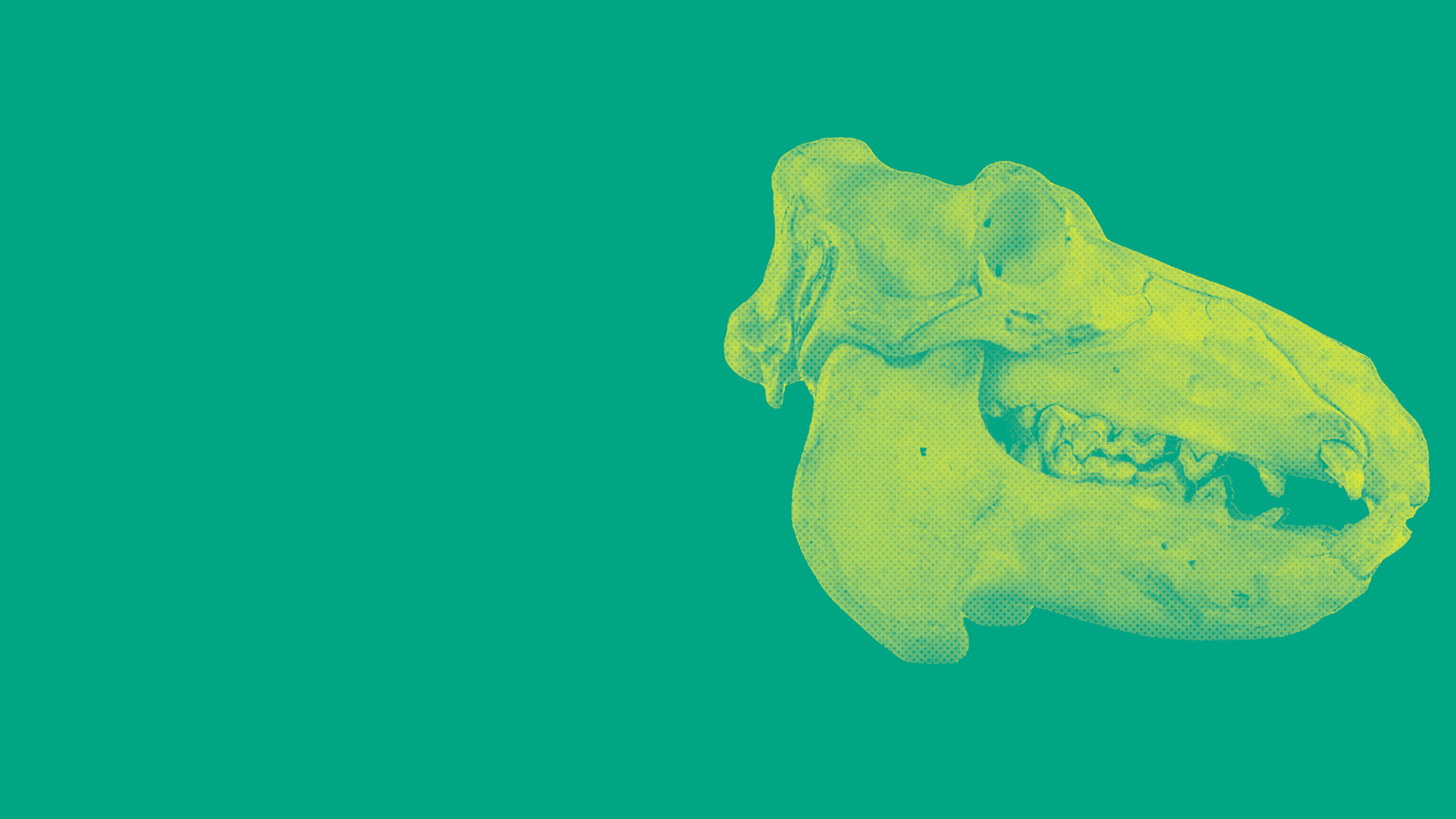
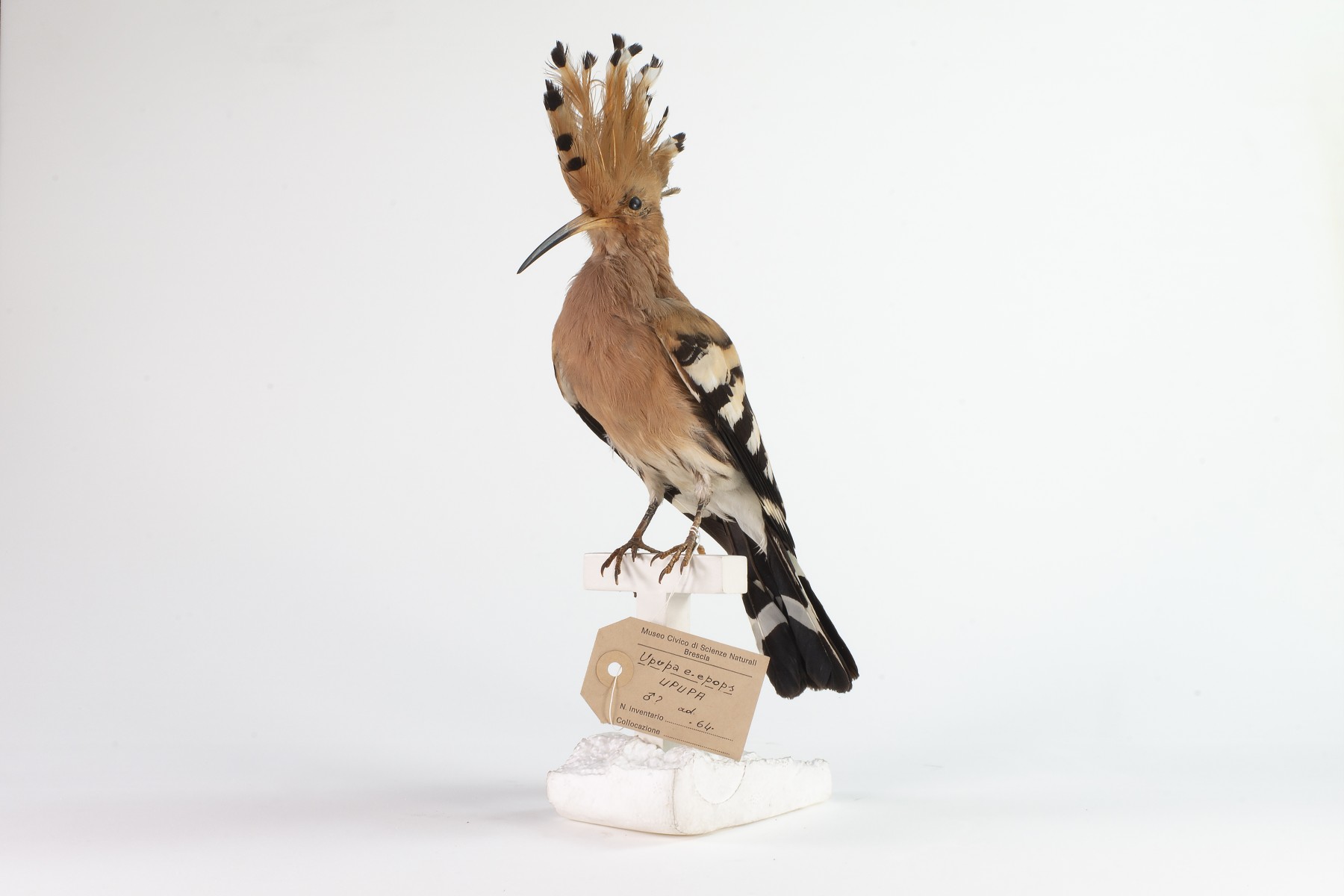
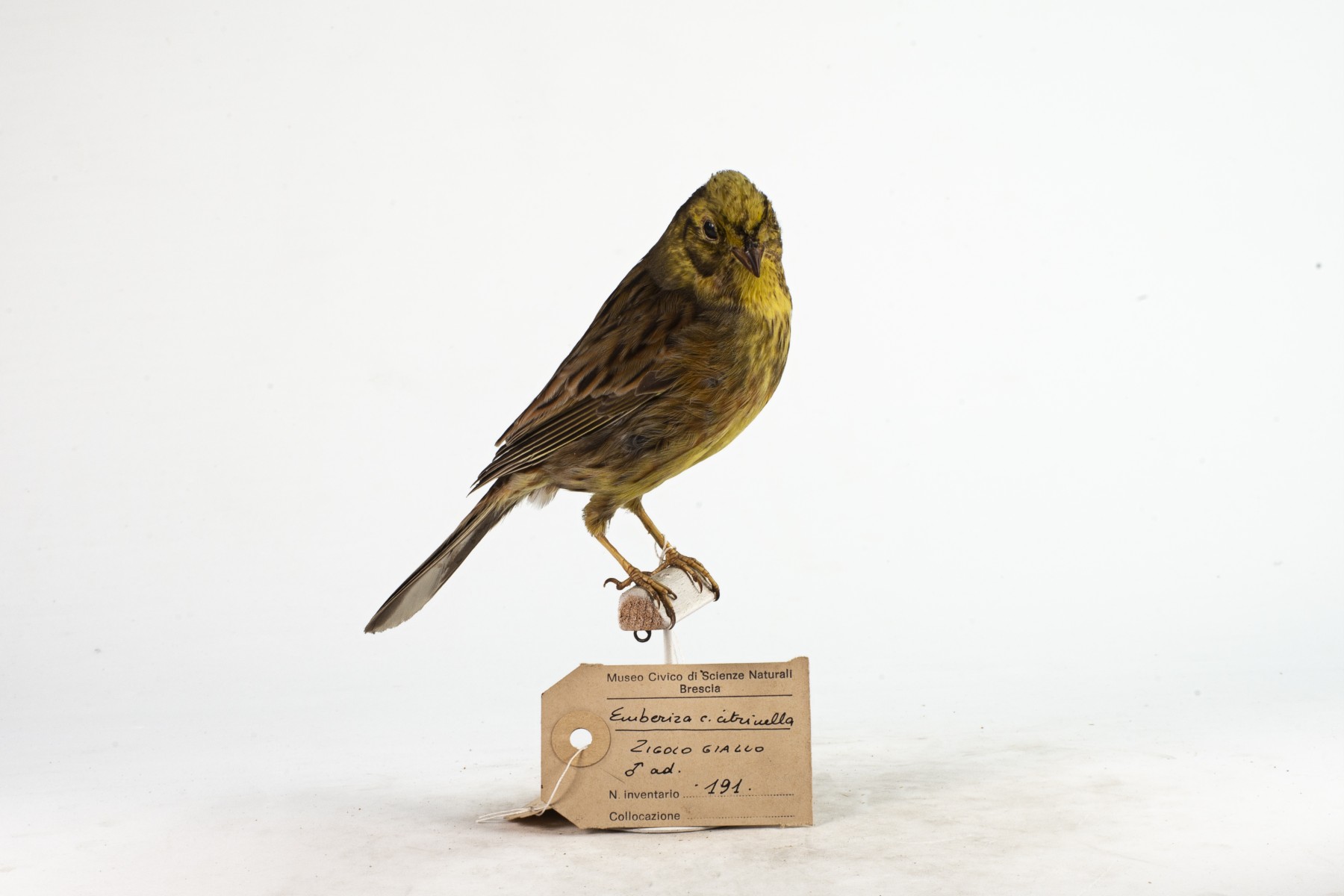
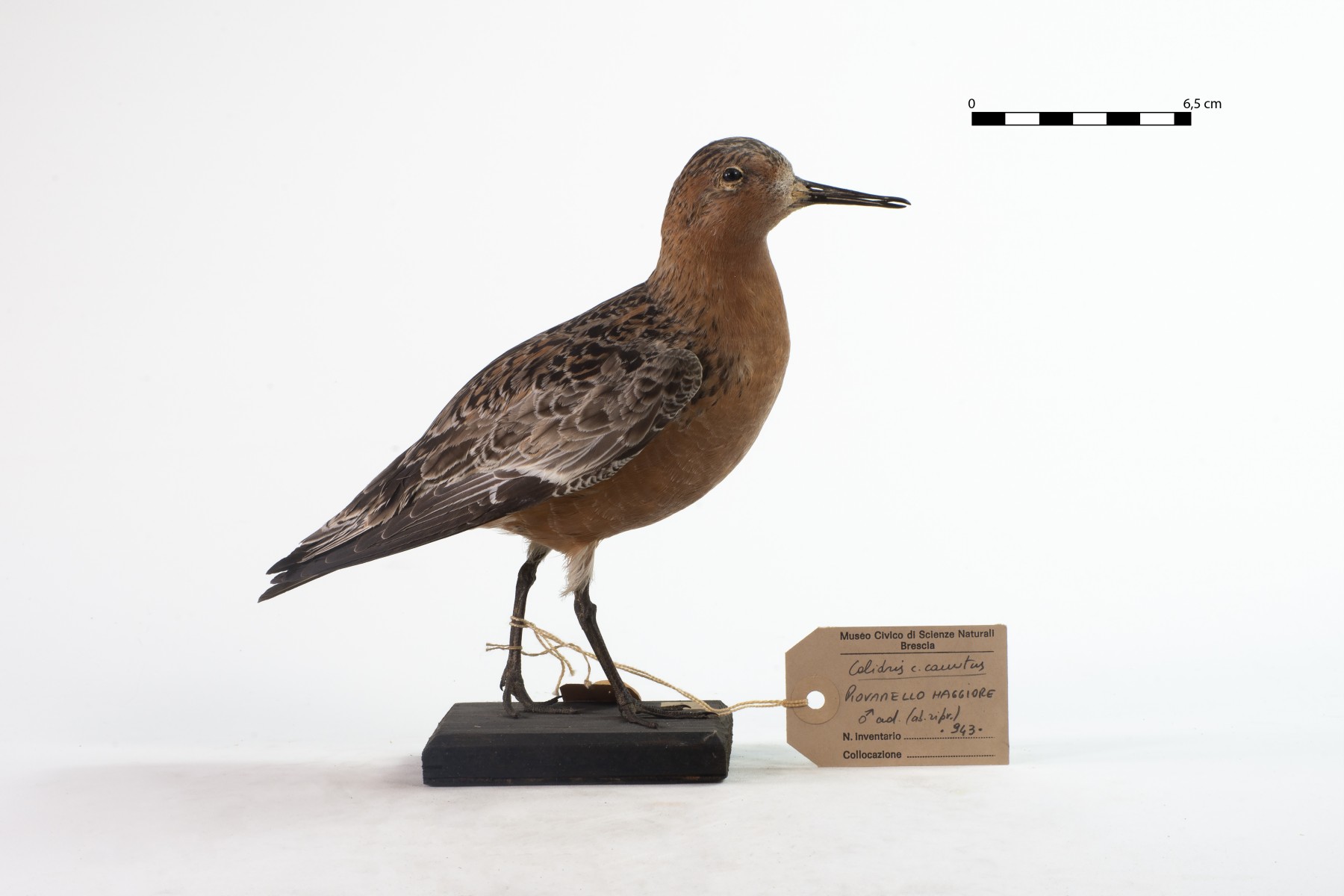
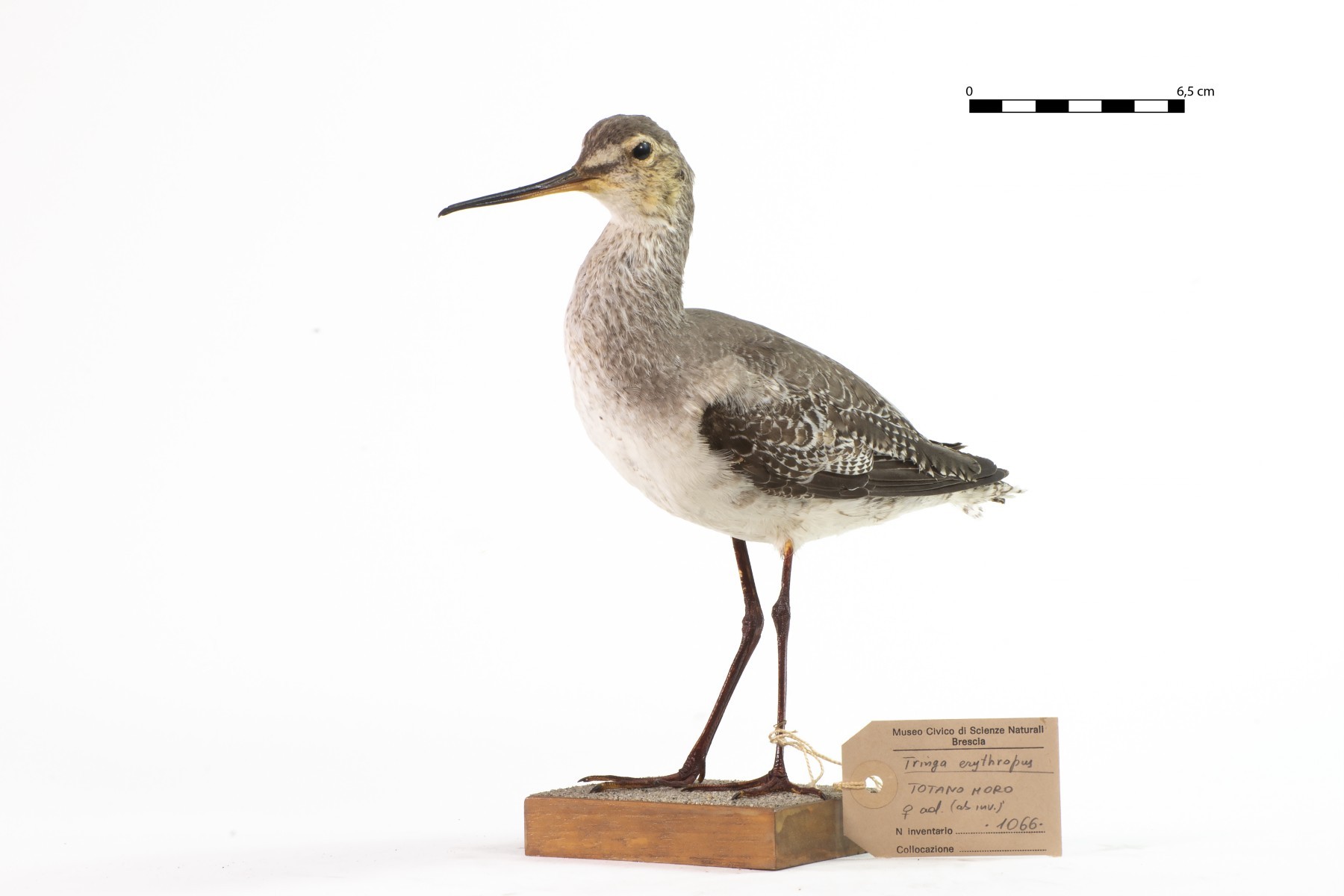
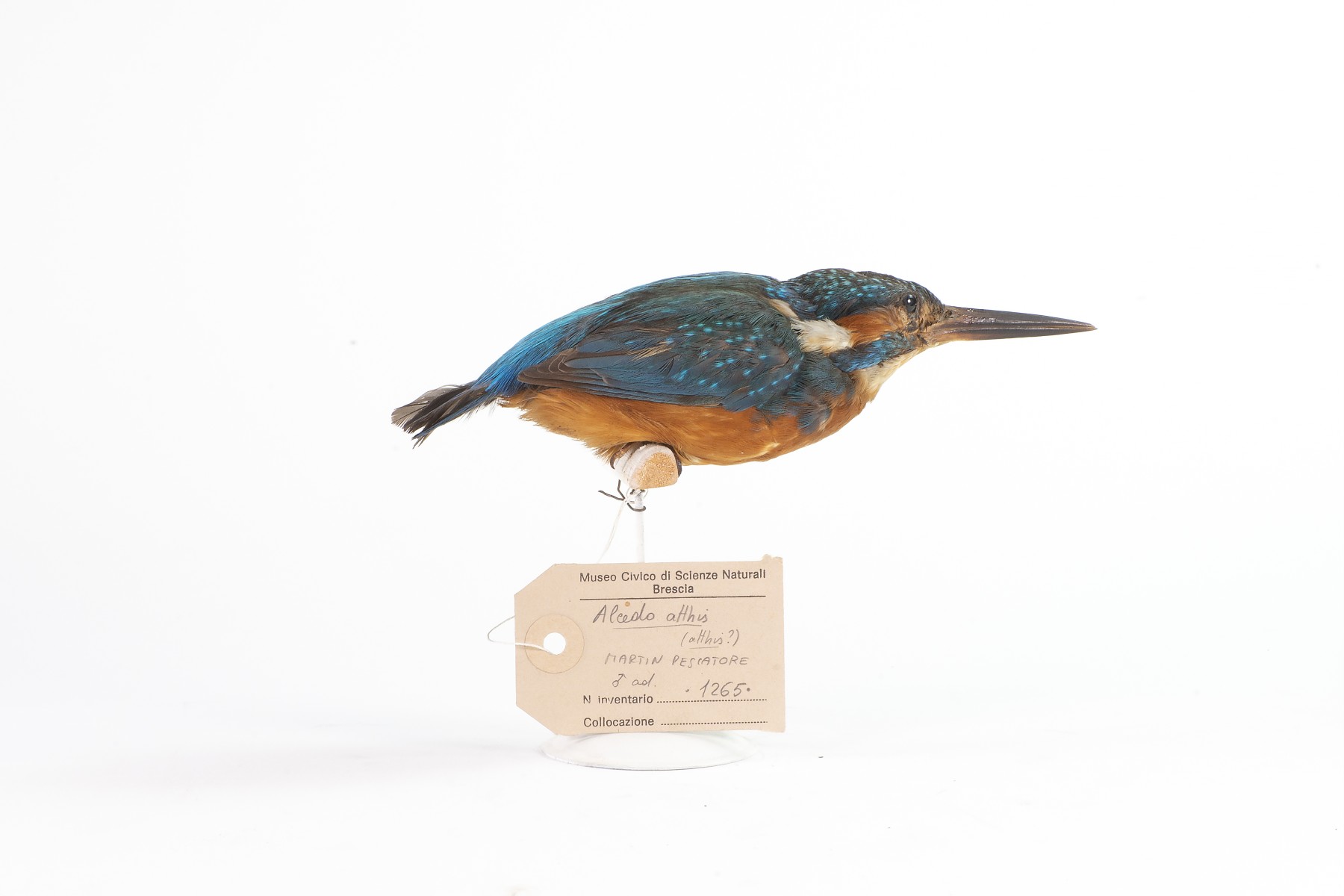
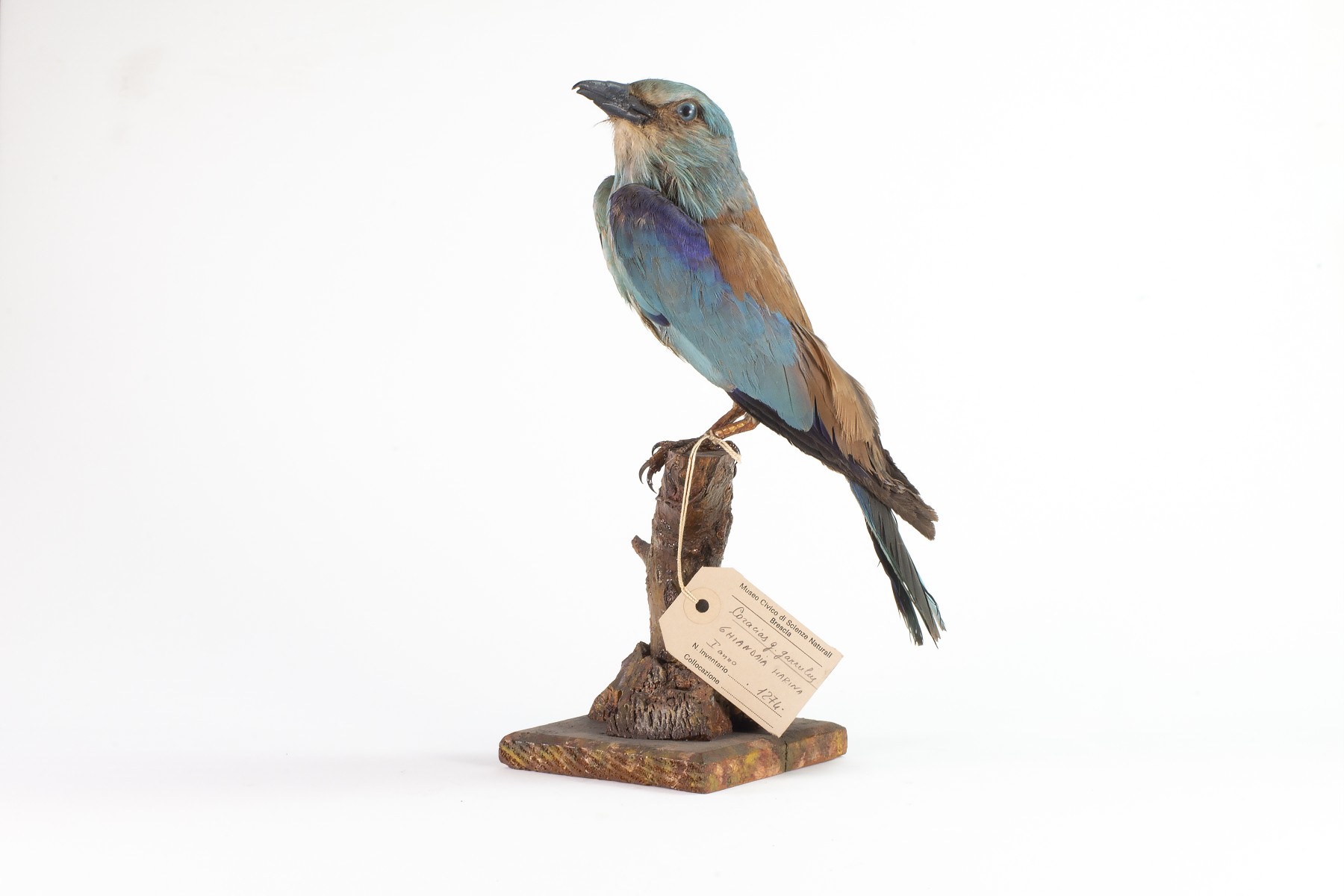
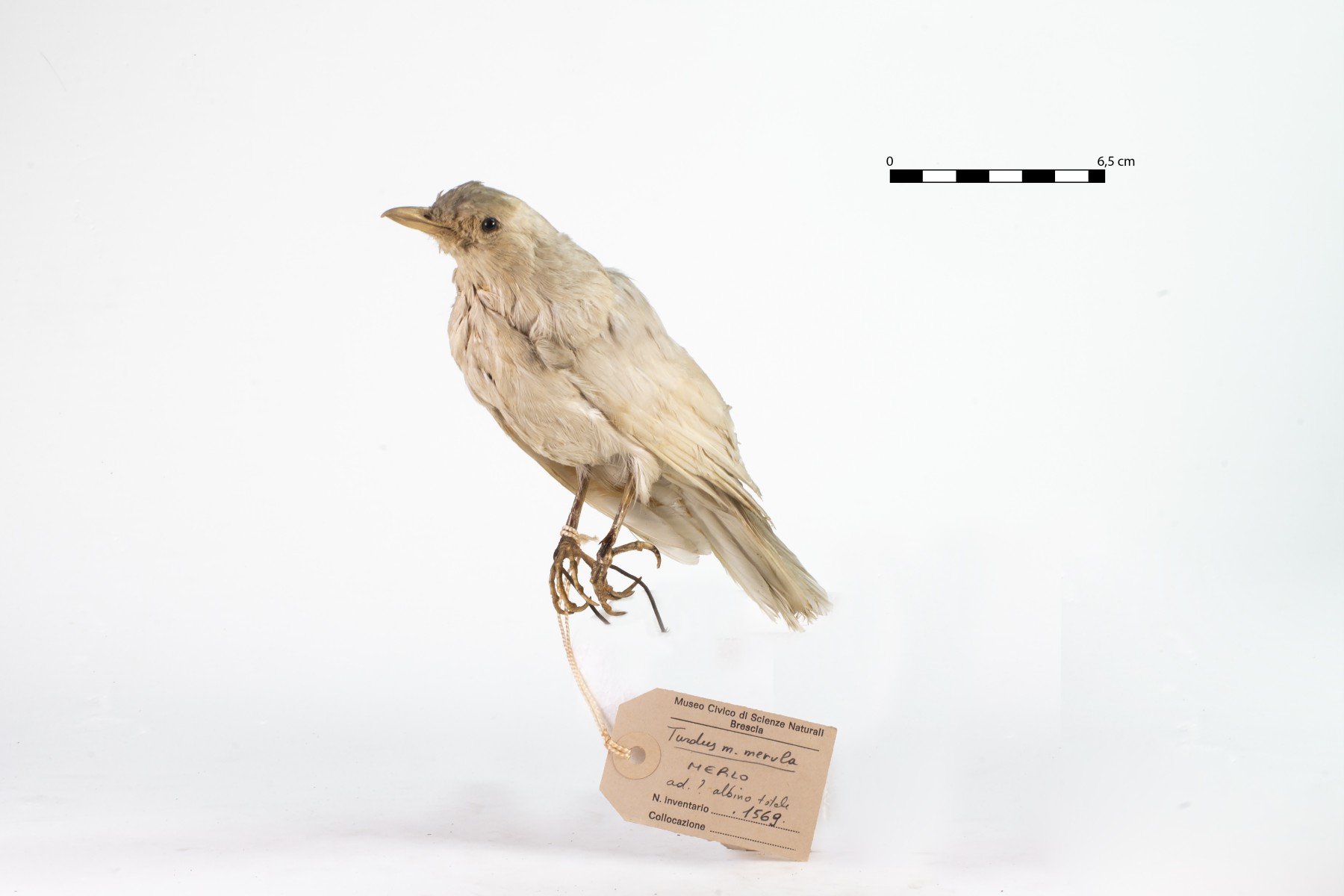
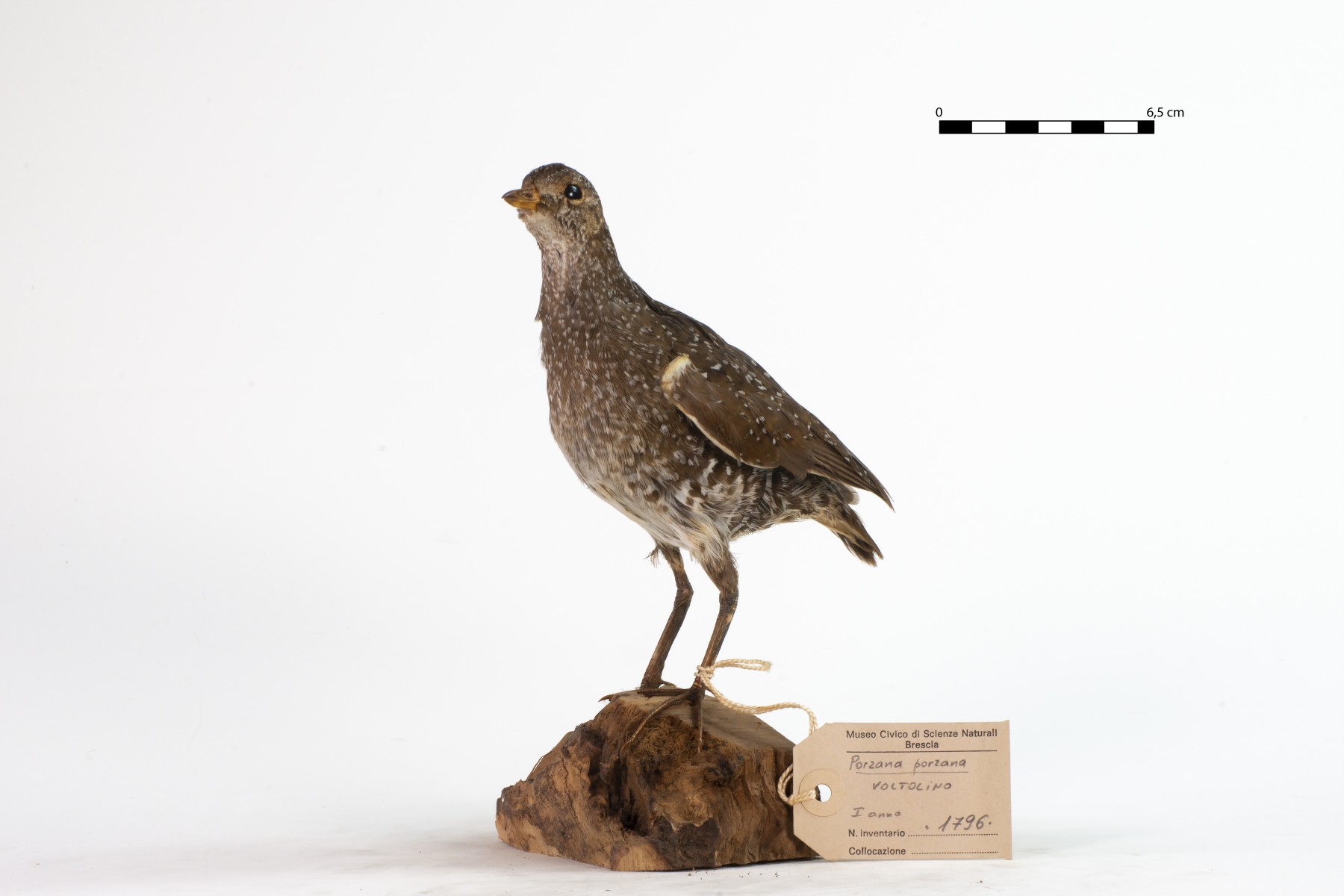
The Vertebrate Collections include more than 5,000 specimens representing the classes of Fish, Amphibians, Reptiles, Birds, and Mammals. Of particular importance is the Ornithological Collection, which consists of over 2,000 taxidermied bird specimens from across Italy and preserves examples collected since the late nineteenth century, including several rare or extinct species.

The collection was established thanks to the contribution of distinguished ornithologists, including Pierandrea Brichetti, whose work made a decisive impact on the development of ornithology. Their efforts significantly expanded knowledge of Italian birdlife and helped create a collection that is highly representative of Italy’s avifauna.

64_upupa_7 copia

Zoology Department

The Zoology Department of the Museo di Scienze Naturali di Brescia preserves a valuable heritage of historical collections originating from the “G. Ragazzoni” Natural History Museum, established in 1902 within the Ateneo di Scienze, Lettere ed Arti di Brescia, and initially composed mainly of locally sourced material.

In recent years, additional collections have been acquired, further enriching the holdings, particularly the entomological collections, with exotic specimens of beetles and butterflies. Ongoing activities include the conservation of existing material, the acquisition of new specimens through donations, and their dissemination and enhancement through educational and public outreach initiatives.

This historical and scientific heritage, represented by the collections, generates interest across multiple fields of biological research (systematics, ecology, evolutionary biology), as well as in the field of cultural heritage and its conservation. As such, it constitutes an irreplaceable resource for scholars and researchers.